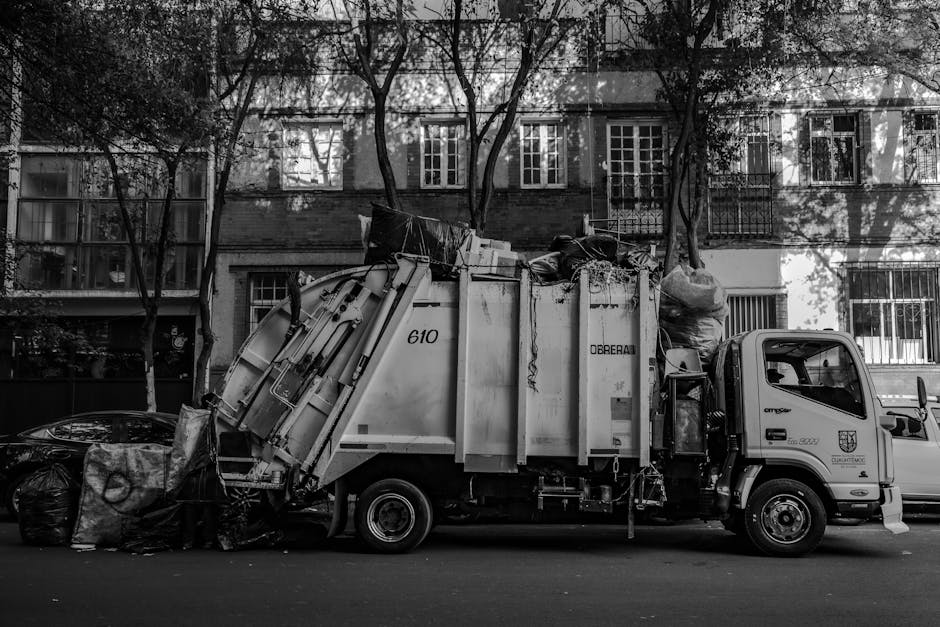
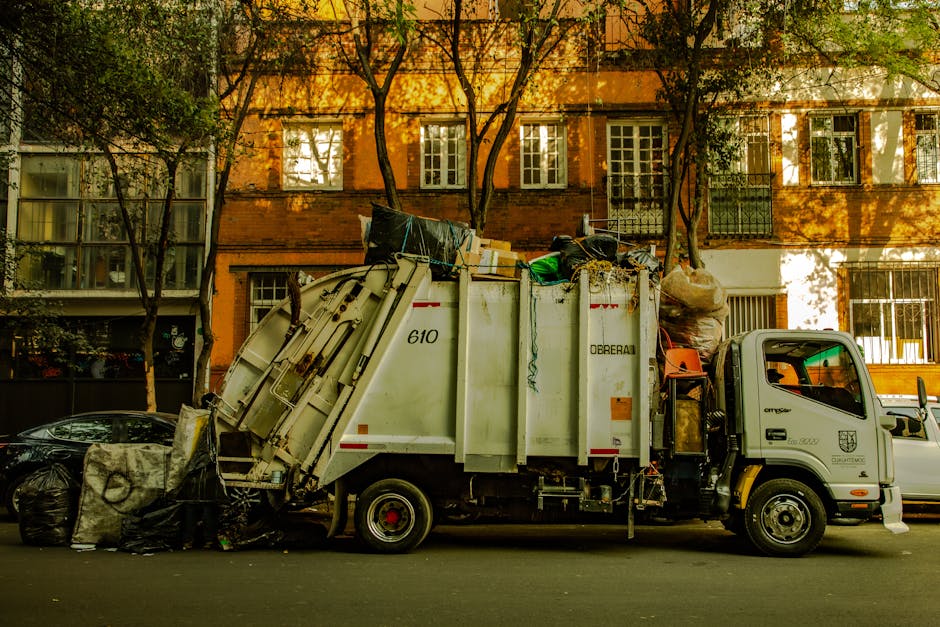
Disposing bulky waste after a Knightsbridge clearance
If you have just finished a clearance in Knightsbridge, the bulky waste is usually the part that feels oddly awkward. Sofas that won't fit through the door cleanly, old wardrobes with missing shelves, mattresses that have seen better days, and the sort of heavy bits that make you stand back for a second and think, "Right then, what now?" Disposing bulky waste after a Knightsbridge clearance is not just about getting items off the property. It is about doing it safely, legally, and in a way that keeps the whole job tidy from start to finish.
This guide walks through the practical side of bulky waste disposal after a clearance: what counts as bulky waste, how the process works, the choices you have, where people go wrong, and how to avoid creating a second mess after the first one has already been cleared. If you are trying to keep things simple and stress-free, you are in the right place. For anyone planning a wider move, declutter, or estate clearance, it can also help to understand the service approach behind Storage Knightsbridge and how their team position their work around careful handling and organised next steps.
Truth be told, bulky waste has a habit of making a clear-out feel bigger than it is. The good news? Once you know the sensible route, it becomes very manageable.
Table of Contents
- Why Disposing bulky waste after a Knightsbridge clearance Matters
- How Disposing bulky waste after a Knightsbridge clearance Works
- Key Benefits and Practical Advantages
- Who This Is For and When It Makes Sense
- Step-by-Step Guidance
- Expert Tips for Better Results
- Common Mistakes to Avoid
- Tools, Resources and Recommendations
- Law, Compliance, Standards, or Best Practice
- Options, Methods, or Comparison Table
- Case Study or Real-World Example
- Practical Checklist
- Conclusion
- Frequently Asked Questions
Why Disposing bulky waste after a Knightsbridge clearance Matters
Bulky waste is not just "big rubbish". It often includes items that are awkward to move, hard to sort, and costly to get wrong. In a place like Knightsbridge, where access can be tight, parking can be limited, and properties often have shared entrances or concierge arrangements, the disposal plan matters almost as much as the clearance itself.
Get it right and the process feels calm: items come out, spaces are left clear, and nothing lingers at the kerb or in the hallway. Get it wrong and suddenly you are dealing with missed collections, damaged flooring, frustrated neighbours, or the very London problem of waiting for a van that cannot park where it needs to. Nobody wants that.
There is also a trust angle. After a clearance, bulky waste can include furniture, appliances, and mixed household items that need to be handled properly. If an item can be reused, that is ideal. If it needs to be recycled or disposed of, it should go through the right route. A thoughtful approach protects the property, reduces unnecessary waste, and keeps the job from becoming a scramble.
Practical takeaway: the best bulky waste disposal plan is the one that matches the item type, access conditions, and timing of the clearance. Not the one that simply feels fastest in the moment.
And yes, the details matter. A broken wardrobe in a basement flat is a very different task from a few dismantled chairs coming out of a townhouse with a service lift. Same category, very different day.
How Disposing bulky waste after a Knightsbridge clearance Works
At a basic level, the process is straightforward: identify what is left after the clearance, separate bulky items from smaller waste, decide what can be reused or recycled, and arrange the most suitable removal method. In practice, though, there are a few moving parts.
1. Identify the bulky items
Bulky waste usually includes furniture, mattresses, wardrobes, shelving, white goods, large electronics, and other oversized household or office items. After a clearance, these are often the leftover pieces that do not fit neatly into ordinary waste bags.
2. Check condition and material
An item that is clean and usable may be suitable for reuse. Something broken, stained, or structurally unsafe may need recycling or disposal. Mixed-material items can be trickier because they may need to be separated before processing. That is one reason well-run clearances tend to slow down at the sorting stage rather than rushing straight to removal.
3. Plan access and lifting
In Knightsbridge, access is often the hidden issue. Narrow stairs, shared entrances, basement levels, controlled parking, and older buildings can all affect how the bulky waste is taken out. You may need to dismantle larger items first. Sometimes that is the difference between a smooth removal and a sofa that gets stuck halfway down the landing. Not ideal, obviously.
4. Choose a disposal route
Depending on the item and the condition, the route may be reuse, donation, recycling, or licensed disposal. The right choice is usually the one that balances practicality, cost, and compliance. There is no need to make it more complicated than that.
5. Complete the removal responsibly
Once the route is chosen, the items are loaded, transported, and processed. Good operators will aim to leave the property clean and the paperwork clear enough that you are not left wondering where everything went. If you are comparing services, it helps to understand the company background too; the about us page is often the first place to check if you want a sense of how they work and what they prioritise.
That is the basic flow. Simple on paper, a bit more involved in real life, as these things often are.
Key Benefits and Practical Advantages
There are several good reasons to treat bulky waste disposal as its own step rather than an afterthought.
- Cleaner handover: the property is left ready for sale, letting, refurbishment, or storage.
- Less stress: you are not left trying to decide what to do with a heavy sofa at the last minute.
- Better use of space: once large items are gone, a room often looks and feels different immediately.
- Safer working conditions: removing large, unstable items reduces trip hazards and lifting risk.
- More responsible disposal: usable items can be reused and the rest can be routed properly.
- Fewer delays: a clear plan avoids the classic "we thought the council would take that" moment.
One benefit people sometimes overlook is momentum. Once the bulky waste is sorted, the rest of the final clean-up becomes much easier. You will notice the difference almost immediately. A room with one abandoned chest of drawers feels unfinished; remove it, and the whole space settles.
There is also a commercial side. For landlords, agents, and homeowners preparing for the next step, a tidy removal process can help protect timelines. If a flat needs to be photographed, inspected, or handed over, the bulky waste phase is not decorative. It is essential.
Who This Is For and When It Makes Sense
This topic matters to a wide mix of people, and not just those dealing with major clearances.
- Homeowners finishing a declutter or downsizing project.
- Landlords and letting agents handling end-of-tenancy or vacant property clearances.
- Executors and family members managing an estate clearance with care.
- Interior designers and renovators removing old furnishings before works begin.
- Offices and commercial premises replacing furniture or clearing surplus stock.
It makes sense whenever the items are too large, too heavy, or too awkward for ordinary refuse collection. It also makes sense when the property has access limitations, because one bad lift or blocked corridor can waste a lot of time. If you are already coordinating multiple moving pieces, it can be helpful to keep communication simple and direct. For practical enquiries and next steps, the contact page is the natural place to start.
Sometimes the trigger is a deadline. Sometimes it is just the feeling that the pile has got out of hand. Both are perfectly valid. Let's face it, most clear-outs start because something has to change.
Step-by-Step Guidance
If you want to handle bulky waste after a Knightsbridge clearance properly, the following sequence keeps the job organised and avoids last-minute surprises.
- Walk through the cleared space. Check every room, hallway, storage cupboard, and basement area. Bulky items have a habit of hiding in plain sight.
- Separate reusable from disposable items. A piece of furniture might still have value even if the rest of the room does not.
- Measure access points. Doors, stairwells, lifts, and parking access can all affect removal time. A few minutes here can save an hour later.
- Decide whether items need dismantling. Flat-pack furniture, beds, and wardrobes often go out more safely in sections.
- Group similar items together. It makes loading easier and helps with recycling or sorting.
- Schedule removal at a sensible time. In shared buildings, timing matters. Early mornings, loading windows, and concierge rules can all affect access.
- Confirm where the waste will go. Reuse, recycling, and disposal are not interchangeable. A reliable plan should match the material and condition.
- Check the property after collection. Look for nails, screws, broken fittings, or missed debris.
A small but useful point: keep screws, drawers, and loose fittings in one bag if you are dismantling items. It sounds obvious. People still lose them all the time. Then the next person opens the item and gets a tiny avalanche of hardware. Not the end of the world, but it makes life awkward.
If you are working through the process with a professional clearance company, you can also ask how they sort and handle items before removal. That simple question often tells you a lot about the standard of service.
Expert Tips for Better Results
Here is where the small improvements make a big difference.
Tip 1: Dismantle early, not late
People often leave dismantling until the item is already blocking the route out. Better to take it apart while you still have room to work. A flat wardrobe panel is awkward, yes, but less awkward than a wardrobe that is wedged sideways in a corridor.
Tip 2: Protect floors and walls
Older properties, polished floors, and narrow staircases benefit from basic protection. Even careful lifting can scuff skirting boards if the item is large or heavy. A few sheets or blankets can save an annoying repair later.
Tip 3: Sort by disposal route
Keep reusable, recyclable, and true waste items separate where possible. This reduces handling time and avoids confusion during loading.
Tip 4: Think about dust and residue
Bulky items can carry dust, loose fittings, or old food residue in the case of appliances. If the item has been in storage for years, expect a bit of grime. That is normal. Gloves help, and so does a bag for anything loose.
Tip 5: Ask about paperwork where relevant
For commercial or managed properties, it is worth asking whether disposal records are available. You may not need them every time, but if you do, you will be glad to have asked.
Expert summary: the smoothest bulky waste clearances are rarely the fastest-looking ones. They are the ones where access, sorting, lifting, and disposal are all thought through before the first item moves.
And a tiny bit of honesty: even the best plan can get messy if a mattress refuses to fit round a stair bend. It happens. The trick is having a fallback, not pretending the bend doesn't exist.
Common Mistakes to Avoid
Most problems with bulky waste disposal are surprisingly avoidable. They usually come from rushing, guessing, or assuming that all large items are dealt with the same way.
- Leaving everything until the end: this creates bottlenecks when the property should already be clear.
- Ignoring access issues: a large item is only "simple" until it meets a narrow staircase.
- Mixing reusable and disposable items: that can reduce reuse opportunities and complicate sorting.
- Forgetting hidden bulky waste: lofts, cupboards, under-bed storage, and external stores are easy to miss.
- Using the wrong disposal route: not every item belongs in the same stream.
- Damaging communal areas: careless lifting can lead to avoidable complaints or repair costs.
- Underestimating time: large items often take longer than people expect, especially in managed buildings.
One common mistake is treating bulky waste as a side note to the clearance itself. In reality, it is often the part that determines whether the whole job feels finished. That is why a lot of experienced operators build it into the plan from the start, not at the end when everyone is tired and keen to go home.
Tools, Resources and Recommendations
You do not need a warehouse full of equipment, but the right basic tools make the process much cleaner and safer.
- Gloves: useful for handling rough edges, dust, or old fittings.
- Blankets or floor protection: helpful for stairwells and door frames.
- Tape or bags: for screws, hinges, and loose parts.
- Trolley or dolly: useful where access allows, especially for heavier loads.
- Basic hand tools: for dismantling beds, shelving, or furniture.
- Labels or notes: simple, but very handy when several item types are involved.
In terms of service selection, look for a provider that talks plainly about handling, sorting, and next steps rather than only focusing on removal. The more transparent the process, the easier it is to trust the outcome. If you want to review business terms, service conditions, or data handling in advance, the relevant pages are available on the site, including the terms and conditions and privacy policy.
A practical recommendation: always ask what happens to the items after collection. It is a simple question, and it tells you a lot.
Law, Compliance, Standards, or Best Practice
When bulky waste is being removed after a clearance, the main compliance concern is making sure waste is handled responsibly and by the right people. In the UK, waste duty of care principles generally mean waste should not be fly-tipped, mixed carelessly, or passed to an unverified operator. That is the plain-English version, anyway.
For households, the practical expectation is straightforward: use a reputable disposal route, keep clear records where needed, and avoid leaving waste in a way that creates risk or nuisance. For businesses, the bar is higher because commercial waste duties can be more detailed and record keeping matters more.
Best practice usually includes the following:
- Use an appropriately licensed or reputable carrier.
- Keep reusable goods separate where possible.
- Do not block common areas, exits, or pavements.
- Handle electrical items and appliances carefully.
- Follow building rules for access, loading, and parking.
You do not need to become a waste expert overnight. Just work with a process that respects the property, the neighbours, and the disposal route. That is usually enough to keep things on the right side of sensible. And if a building manager asks for documentation, it is better to have it ready than to be scrambling around later.
Options, Methods, or Comparison Table
There is more than one way to deal with bulky waste after a clearance. The best option depends on the items, the timeline, and how much lifting you want to do yourself.
| Method | Best for | Advantages | Limitations |
|---|---|---|---|
| Reuse or donation | Clean, usable furniture and household items | Reduces waste, may help others, can be cost-effective | Only works if items are in suitable condition and transportable |
| Recycling route | Items with recyclable materials or separable components | More responsible than general disposal, can suit mixed material items | May need sorting or dismantling first |
| Bulky waste collection | Large household items that are ready for removal | Convenient and relatively simple | Timing, access, and item rules can vary |
| Professional clearance and disposal | Complex clearances, tight access, multiple item types | Reduces stress, includes lifting and coordination | May cost more than doing part of it yourself |
| Self-load and transport | People with a suitable vehicle and lifting support | Flexible if you already have the means | Physical effort, time, and disposal responsibility stay with you |
There is no universal winner here. In a compact Knightsbridge property, professional help often makes the most sense simply because the access is the issue, not the items themselves. In a ground-floor flat with easy loading, a simpler route may be perfectly fine.
Case Study or Real-World Example
Here is a realistic example from the kind of situation people run into all the time. A couple had finished clearing a Knightsbridge flat before a refurbishment. The main rooms were mostly empty, but the bulky waste was still sitting there: a divan bed, a wardrobe, two armchairs, a dining table with loose legs, and a couple of old appliances.
At first glance, it looked like "just a few big things." But the building had a narrow stairwell, a lift with tight dimensions, and limited loading access outside. If the team had tried to remove everything in one go without sorting, they would have wasted time and risked scraping the walls.
Instead, the items were checked one by one. The wardrobe was dismantled, the table was broken down, and the reusable chairs were separated from the damaged items. The team planned the order of removal around the lift size and the access window. By doing that, the clearance stayed orderly, and the bulky waste phase did not spill into the rest of the day.
The nice part? The flat was ready for the next tradesperson without last-minute tidying. No pile in the corner. No half-finished mess. Just a clear space and a clean finish.
That is usually what people want, even if they do not say it quite like that.
Practical Checklist
Use this checklist before arranging disposal after a clearance in Knightsbridge:
- List every bulky item left after the clearance.
- Check condition to decide on reuse, recycling, or disposal.
- Measure access points including stairs, doors, and lifts.
- Confirm building rules for loading, parking, and collection times.
- Dismantle large items where needed and safe to do so.
- Keep fittings together in labelled bags or containers.
- Protect floors and corners in shared or delicate spaces.
- Separate reusable items from true waste.
- Ask about the disposal route before collection day.
- Do a final sweep for screws, debris, and missed items.
If you can tick off most of the above, you are already well ahead of the average rushed clear-out. Honestly, that is where the stress drops away.
Get a free quote today and see how much you can save.
Conclusion
Disposing bulky waste after a Knightsbridge clearance is one of those jobs that looks simple from far away and slightly fiddly up close. But with the right approach, it becomes a tidy, manageable part of the process rather than a problem sitting in the corner.
The main things to remember are straightforward: sort items properly, respect access limitations, choose the right disposal route, and do not leave bulky waste as an afterthought. That combination keeps the property cleaner, the process safer, and the outcome far less stressful.
If you are preparing for a clearance, or you have already done the heavy lifting and just need the remaining large items dealt with, a calm and organised plan will save time and hassle. And that, in a busy part of London, is worth a lot.
One last thought: a proper finish has a quiet kind of satisfaction to it. You see the empty room, hear the echo a little, and know the job has been done well.
Frequently Asked Questions
What counts as bulky waste after a Knightsbridge clearance?
Bulky waste usually means large household or office items such as sofas, wardrobes, mattresses, tables, chairs, appliances, and similar oversized pieces that are difficult to remove through ordinary waste collection.
Can reusable furniture be kept out of the waste stream?
Yes. If items are in good condition, it often makes sense to separate them for reuse or donation before deciding on disposal. That approach is usually more practical and more responsible.
Do I need to dismantle large items before removal?
Not always, but dismantling can make removal much easier, especially in properties with narrow staircases, tight corners, or limited lift access. It is often worth doing where safe and sensible.
How long does bulky waste disposal usually take?
It depends on the number of items, access conditions, and whether anything needs dismantling. A straightforward job may be fairly quick, while a more complex clearance can take longer than expected.
Is bulky waste disposal different in a Knightsbridge property?
The disposal principles are the same, but access and logistics are often more challenging in Knightsbridge. Shared entrances, parking restrictions, and high-value interiors mean planning matters a lot more.
What should I do with broken appliances after a clearance?
Broken appliances should be handled carefully and routed appropriately. They should not be left with general household rubbish, especially where electrical components or refrigerants are involved.
Can I leave bulky waste in a communal area until collection?
Usually, no. In shared buildings, bulky items should not block hallways, exits, or communal spaces. It is better to coordinate timing so items are removed promptly and safely.
What if my bulky items are too large for the lift?
If items do not fit the lift, they may need to be dismantled or taken down via stairs with proper care. This is one of the main reasons a pre-check is so helpful.
How can I reduce the cost of bulky waste disposal?
You can often reduce cost by separating reusable items, preparing items in advance, dismantling where possible, and making access as easy as you can. Good organisation usually helps more than people expect.
What is the safest way to move heavy items during a clearance?
The safest route is to use proper lifting technique, suitable equipment, and enough people for the job. If an item feels awkward, unstable, or too heavy, it is better not to guess. That is where injuries happen.
Should I ask for company information before booking disposal help?
Yes. It is sensible to review the provider's background, service details, and terms before you commit. A reputable team should be comfortable explaining how they work and how they handle waste responsibly.
What is the next sensible step if I still have bulky waste after a clearance?
Take stock of the remaining items, separate what can be reused, and arrange a proper removal plan that fits the property's access and timing. If you need guidance or want to speak to the team directly, use the contact page to start the conversation.