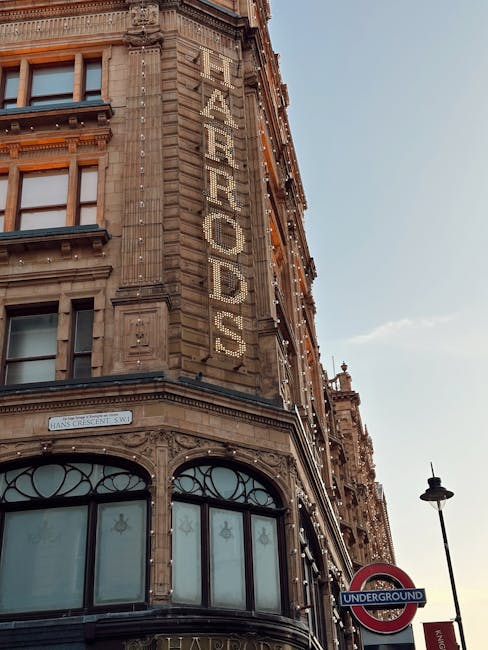
Harrods-flat removal case: zero-damage move in Knightsbridge

If you are planning a Harrods-flat removal case: zero-damage move in Knightsbridge, you are probably already picturing the awkward bits. Tight stairwells, polished floors, expensive finishes, time pressure, and the sinking feeling that one careless corner could leave a mark. Truth be told, that is exactly why this kind of move needs a different level of planning.
Knightsbridge moves are rarely simple, especially around Harrods and the surrounding streets. There are access restrictions, awkward loading points, and a real need to protect both the property and the items being moved. In this guide, we break down how a zero-damage move is planned, what makes it work, where the common risks are, and how to judge whether a removals team is genuinely prepared for the job.
You will also find a practical checklist, a comparison of moving methods, and a few lived-in tips that matter more than glossy sales talk. If you want the move to feel calm rather than chaotic, this is the place to start.
Why Harrods-flat removal case: zero-damage move in Knightsbridge Matters
A zero-damage move is not just a nice marketing phrase. In a place like Knightsbridge, it is the difference between a move that feels controlled and one that turns into an expensive headache. Flats near Harrods often involve high-value interiors, shared entrances, concierge rules, and neighbours who are not thrilled by a noisy trolley at 7 a.m. So yes, the margin for error is tiny.
What makes this especially important is the mix of property types. Some buildings have modern lifts and smooth access, while others have narrow staircases, delicate bannisters, stone flooring, and awkward turns that seem designed to test patience. One scraped wall or chipped marble threshold can become a real issue, not a minor inconvenience.
There is also the emotional side. Many people moving out of a Knightsbridge flat are not just shifting boxes. They are dealing with valuable furniture, art, family pieces, documents, and the general stress of a location where every detail feels amplified. A move should not add damage on top of that.
Practical takeaway: in this part of London, "careful" is not enough. You need a method that actively reduces risk at every stage, from first survey to final placement.
To be fair, some removals are straightforward. This is not one of them. The case for a zero-damage approach is strongest where access is tight, finishes are fragile, and the cost of a mistake is simply too high to shrug off.
For readers comparing different moving support options, it helps to understand the wider service picture too. A well-run team may offer packing and unpacking services alongside the move itself, which can reduce handling errors before anything even reaches the van.
How Harrods-flat removal case: zero-damage move in Knightsbridge Works
A zero-damage move is built around preparation, protection, and sequence. Not glamour. Not guesswork. The job usually starts long before moving day, ideally with a detailed survey of the property and an honest look at access routes. That includes door widths, lift dimensions, parking options, floor protection needs, and whether bulky items can be dismantled safely.
Next comes the packing and wrapping stage. This is where many problems are either prevented or created. Softer items may still need rigid support. Glass, marble, lacquered surfaces, antiques, and electronics need tailored protection, not a one-size-fits-all blanket wrap. And heavy items should be moved with the right lifting technique, not by sheer enthusiasm and crossed fingers.
On the day itself, the sequence matters. Good crews load strategically, protect the route through the building, and keep a calm pace. It sounds simple, but in a Knightsbridge block with a narrow landing and a lift shared by residents, simple is exactly what you want. The best teams do not rush the awkward bits. They pause, reposition, and reset.
If the move requires a larger vehicle or more controlled loading, the logistics must match the street. For some jobs, a standard van is enough; for others, a bigger vehicle or dedicated truck hire makes more sense. If you need to compare vehicle types, it may help to look at options such as moving truck support or removal truck hire depending on volume and access.
There is also a coordination layer. In prestige areas, the building management team may require notice, lift booking, or proof of insurance. The removals crew should be used to that sort of thing. If they are not, that is a red flag. A move in this area should feel choreographed, not improvised.
Key Benefits and Practical Advantages
The obvious benefit is damage prevention, but there is more to it than that. A zero-damage approach usually improves the whole moving experience because everyone works from a clearer plan. Once the route, packing sequence, and vehicle choice are agreed, the move becomes easier to manage. Less stress. Fewer delays. Fewer surprises. Simple, really.
- Better protection for valuable interiors: floors, walls, doors, and stair edges are safeguarded before any heavy lifting begins.
- Lower risk to furniture and fittings: careful wrapping and controlled handling reduce scuffs, dents, and breakage.
- Less disruption for neighbours and building staff: efficient timing and quieter handling help avoid complaints.
- More predictable moving day: clear planning means fewer awkward pauses and fewer last-minute scrambles.
- Stronger confidence with premium items: art, mirrors, designer furniture, and heirlooms can be moved with more reassurance.
There is a less obvious advantage too: a careful move often saves money in the long run. Not because it is necessarily the cheapest quote upfront, but because fewer things go wrong. You do not end up replacing a damaged item, paying for repairs, or spending another afternoon chasing someone about a scratch that should never have happened.
For some households, the benefit is also mental. When the move is being handled well, you can breathe a little. You notice the floors are covered properly, the bannisters are wrapped, and someone is actually checking corners instead of barging through them. It makes a difference.
Who This Is For and When It Makes Sense
This kind of move makes sense for anyone living in or around a Harrods-area flat where the property value, contents value, or access complexity makes standard removals feel too risky. That includes residents in period conversions, luxury apartments, serviced residences, and upper-floor homes with restricted access.
It is especially useful if you are moving:
- high-value furniture or fragile pieces
- paintings, mirrors, glass tables, or sculptural items
- heavy items that need careful route planning, such as wardrobes or pianos
- from a flat with narrow stairs, tight corners, or limited lift access
- into a building with strict concierge or management rules
- during a compressed schedule where timing has to be precise
If you are relocating between Knightsbridge and nearby areas, the same principles still apply. In fact, short-distance moves can be deceptive. People assume a quick move is easy, then the lift booking falls through or the loading bay is not available, and suddenly the whole day is off rhythm. Happens more than people think.
This is also a good fit for people who simply do not want to take chances. Maybe the flat has original mouldings, marble flooring, or a bespoke fitted interior. Maybe you are leaving a rental and need to avoid deposit deductions. Or maybe you are a private owner who would rather pay for calm, careful work than deal with a patch-up job afterwards.
If your move is closer to an office or mixed-use property, a commercial approach can sometimes be relevant too, especially if staff, equipment, or timing constraints come into play. In those cases, commercial moves may offer a better fit than a purely domestic setup.
Step-by-Step Guidance
Here is the practical version, the one that matters on a real moving day.
- Start with an accurate survey. Measure access points, stair widths, lift size, and any corners that might catch larger furniture. A vague estimate is not enough.
- Decide what needs special handling. Identify fragile, awkward, or high-value items early. That includes anything that cannot simply be stacked and wrapped like a sofa.
- Book the right moving window. In Knightsbridge, timing can be everything. Early morning or tightly controlled slots may reduce disruption, but only if building rules allow it.
- Prepare the property protection. Floor runners, door guards, corner protection, and lift padding should be ready before the first item moves.
- Use proper packing materials. Reinforced boxes, wrapping paper, bubble wrap where suitable, blankets, and tape all have a role. Cheap packing is often expensive in the end.
- Label by room and fragility. This saves time, but more importantly, it stops items from being stacked where they should not be.
- Load in the right order. Heavy and stable items go in first, with fragile items secured so they do not slide or crush under pressure.
- Unpack and inspect before signing off. A careful final walk-through is worth its weight in gold. Check corners, legs, handles, mirrors, and floor surfaces.
One small but important detail: keep a simple inventory. It does not need to be fancy. A notebook and phone photos are enough for many people. You will thank yourself later if you need to verify whether a scratch was pre-existing or happened during the move.
And yes, this is the sort of job where a calm voice matters. The best crews tend to sound unhurried, even when they are working quickly. That is not an accident. It is experience.
Expert Tips for Better Results
There are a few things that consistently improve the outcome. These are the details people often miss when they focus only on price.
1) Treat access as part of the job, not an afterthought. A van outside is only half the story. If the hallway is narrow, if there is a sharp turn near the lift, or if the concierge has timing rules, those things affect the move as much as packing does.
2) Protect the route before the first box is touched. That means floor coverings, door protection, and lift padding where needed. It can feel like a delay at the start, but it saves far more time than it costs.
3) Use the right team size. Too few people and the move drags. Too many and the job becomes crowded and harder to coordinate. In our experience, the right-sized crew is often the safest crew.
4) Keep valuable items together and clearly marked. That reduces the chance of misplacement and makes the unpacking stage smoother. Easy to say, easy to forget.
5) Ask about furniture dismantling. Some pieces are safer to move in parts. A wardrobe or bed frame that seems manageable in one piece may actually be the thing that causes the issue.
6) Plan for the building, not just the flat. Shared entrances, loading restrictions, and lift bookings can affect everything. A good moving plan respects the building ecosystem, not just your own front door.
If you are comparing local support options, you might also find useful guidance in this related article on narrow staircases and removal fees in Knightsbridge, especially if your property has awkward access points.
A slightly awkward truth: sometimes the best money-saving move is to slow down, not speed up. That does not sound exciting, but it works.
Common Mistakes to Avoid
Most damage in this kind of move comes from a handful of predictable mistakes. The good news? They are avoidable if you know what to watch for.
- Underestimating the access route: many problems start at the hallway, not the van.
- Choosing the cheapest quote without checking method: low cost is not much comfort if the team is not properly prepared.
- Poor packing for fragile items: loose items shift, knock, and chip far too easily.
- Skipping floor and wall protection: one wheel mark on a pale corridor can become a very awkward conversation.
- Ignoring building rules: missed lift bookings or loading restrictions can disrupt the entire schedule.
- Leaving decisions until moving day: by then, there is no room left for improvisation.
Another mistake is assuming everything should stay assembled. Not always. Some items are easier and safer to dismantle, wrap, and rebuild than to force through a tight staircase in one awkward piece. You can almost hear the furniture complaining, to be fair.
And do not forget disposal. If you are clearing out furniture as part of the move, the plan for bulky waste should be clear before the van arrives. Otherwise, the clutter just migrates from one room to another, which is not exactly progress. For more on that side of the process, see disposing bulky waste after a Knightsbridge clearance.
Tools, Resources and Recommendations
A good zero-damage move depends on the right equipment, but the equipment only works if the people using it know why it is there. This is not the place for improvisation with old blankets and hope.
Useful moving tools and materials commonly include:
- floor protection runners and padded coverings
- door frame and corner guards
- blankets, wrap, and tie-down straps
- sturdy boxes and wardrobe cartons
- trolleys and dollies suited to the surfaces involved
- labels, markers, and an item inventory sheet
- disassembly tools for beds, shelving, and modular furniture
In some cases, a smaller vehicle is the better choice. If access is restricted or parking is tight, a flexible service like man with van can suit compact loads, while larger or more structured moves may need a fuller team and vehicle arrangement. The right answer depends on the size of the property and how much the building permits at once.
For householders who want extra help with preparation, home moves is a useful starting point, while those dealing with one-off bulky items may find furniture pick up more relevant. It really depends on the shape of the move, not just the postcode.
One practical recommendation: do a quick pre-move walk-through the evening before. Look at the hall, the corners, the floors, and the items that still need wrapping. Fifteen calm minutes can save you a lot of Monday-morning regret.
Law, Compliance, Standards, or Best Practice
For a move in Knightsbridge, the legal and practical side is usually about care, access, and responsibility rather than complex regulation. That said, best practice still matters. A professional removals team should work in line with reasonable handling standards, building rules, insurance expectations, and common UK moving practice.
In real terms, that means checking whether the company has appropriate insurance, whether it uses trained staff, and whether it understands the responsibilities involved in moving through shared spaces. In a managed block, this can include keeping entrances clear, using lifts properly, and respecting agreed booking windows. Nothing dramatic, just basic professionalism that makes a huge difference.
It is also wise to look closely at terms and conditions before you book. Not because you expect trouble, but because a clear contract helps prevent misunderstanding. Damage liability, access assumptions, and cancellation rules should be set out plainly. If something feels vague, ask before confirming.
If you want to learn more about the company's background and approach, the about us page can help you understand how the service is structured. You may also want to review the terms and conditions and privacy policy if you are comparing providers carefully. That is not overthinking it; that is sensible.
Best practice also includes respecting local waste and disposal rules where applicable, especially if old furniture or packaging is being removed. Some buildings are stricter than people expect, so do not assume you can leave anything in a corridor and call it sorted. You cannot, really.
Options, Methods, or Comparison Table
Different moving methods suit different Knightsbridge flat removals. Here is a simple comparison to help you judge what fits your situation.
| Method | Best for | Strengths | Limitations |
|---|---|---|---|
| Full removal team | Larger flats, high-value contents, complex access | Most protective, coordinated, less risk of missed details | Usually costs more than a basic vehicle-only option |
| Man and van | Smaller loads, short-distance moves, flexible schedules | Practical, adaptable, often quick to arrange | May be less suitable for fragile or premium interiors unless well managed |
| Vehicle-only hire | Experienced movers handling their own loading and protection | Can be efficient if the job is already well organised | Requires more of your own labour and planning |
| Pack-and-move service | Busy households, delicate items, time-sensitive moves | Reduces handling errors and saves time | Needs good communication about what is fragile and what stays assembled |
For many Harrods-area flats, a more complete service is often the safer route. That does not automatically mean the largest team or the fanciest branding. It means the method that matches the access, contents, and expectations of the property.
If you are trying to decide between local specialists and broader national options, you may also find this comparison useful: Knightsbridge removal companies vs national movers. It is a sensible read before you commit.
Case Study or Real-World Example
Here is a realistic example based on the sort of move this article is about. A resident in a Knightsbridge apartment near Harrods needed to move from a top-floor flat with a narrow lift, a polished hallway, and several items of expensive furniture. The contents included a marble-topped table, two large mirrors, soft leather seating, and a few awkwardly shaped decorative pieces that were lovely to look at and annoying to carry. The sort of items that make everyone walk a little more carefully.
The crew began with a route check and found that one mirror would not safely turn the final landing corner unless it was wrapped and carried vertically with a reduced team size. They also padded the lift, laid floor coverings in the corridor, and dismantled one bed frame to prevent strain in the stairwell. It took a bit longer at the start, but the move itself was smoother because of that early patience.
There was one slightly tense moment when a trolley wheel caught on the edge of a temporary floor runner. Nothing was damaged, but the crew paused, reset the runner, and continued more slowly through that section. That kind of small correction is exactly what a zero-damage move looks like in practice. Not perfect theatre. Just sensible problem-solving.
By the end, the property was left clean, the contents arrived intact, and the resident did not have to deal with a post-move repair list. That is the result people are really paying for. Not speed for speed's sake, but control.
Practical Checklist
Before moving day, run through this checklist. It is simple, but it catches a lot.
- Confirm access times with the building or concierge
- Measure lifts, stair turns, and door widths
- Identify fragile, valuable, or oversized items
- Decide what should be dismantled in advance
- Book the appropriate vehicle and crew size
- Prepare floor, wall, and lift protection
- Label boxes by room and handling priority
- Keep essential documents and valuables separate
- Arrange disposal or collection for unwanted bulky items
- Do a final walk-through before the team leaves
Quick decision note: if two or three items on this checklist are still unresolved the night before the move, pause and sort them. That little bit of control can save hours.
For people preparing more broadly, this guide on how to lighten your load by decluttering before moving is worth a look. Less stuff often means less risk. A rare win-win.
Conclusion
A Harrods-flat removal case: zero-damage move in Knightsbridge is really about respect for the property, the contents, and the surroundings. It is a moving approach built on planning, protection, and restraint. The best teams do not just lift and carry; they think ahead, protect the route, and keep control when the space gets tight or awkward.
If you are moving from a Knightsbridge flat, especially one with high-value interiors or difficult access, the zero-damage mindset is the safest way to protect both your belongings and your peace of mind. And honestly, peace of mind counts for a lot on moving day.
Get a free quote today and see how much you can save.
When the last box is down and the corridor is quiet again, the best feeling is simple: nothing was chipped, scratched, or rushed. Just a clean move, done properly. Lovely, really.
Frequently Asked Questions
What does zero-damage moving actually mean?
It means the removals process is designed to prevent avoidable damage to the property and the items being moved. That includes route protection, careful packing, controlled handling, and checking access before moving day.
Is a zero-damage move realistic in Knightsbridge flats?
Yes, but only with proper planning. Knightsbridge flats often have tight access, shared buildings, and high-value finishes, so the move has to be organised around those conditions rather than treated like a standard house move.
How far in advance should I book a move near Harrods?
The earlier the better, especially if your building has access rules or you need a specific time slot. For complex flats, booking early gives the team time to survey access and plan the safest route.
Do I need packing services for a zero-damage move?
Not always, but packing services can make a big difference for fragile or valuable items. If you have glass, art, mirrors, antiques, or delicate electronics, professional packing is often worth it.
What should I do if my building has a narrow staircase?
Measure it properly and tell the removals team in advance. In some cases, items may need to be dismantled, carried in a different orientation, or moved by a smaller crew with extra protection.
Is man and van enough for a Harrods-area flat removal?
Sometimes, yes, especially for smaller loads. But if you have high-value furniture, complicated access, or a larger volume of items, a more complete removals service may be safer and easier to manage.
How do I know if a removals company is careful enough?
Look for clear explanations of their process, questions about access, proof of insurance, and a willingness to discuss protection for floors, walls, and furniture. If they only talk about speed and price, that is not ideal.
What items are most likely to get damaged during a flat move?
Mirrors, glass furniture, table corners, TV screens, decorative pieces, and soft furnishings with sharp edges or loose parts are all common risk items. Stairwells and door frames can also cause damage if the route is not protected.
Can removals teams help with furniture dismantling and reassembly?
Many can, and it is often a smart move for bulky or awkward furniture. Dismantling can reduce damage risk and make tight access much easier.
What if I need to move out bulky furniture I no longer want?
Plan that early. Bulky items should be separated from the main move so the crew knows what is leaving and what is staying. That avoids confusion and makes disposal or collection much smoother.
Will a zero-damage move take longer?
Usually, yes, a little longer at the start. But that time is spent on protection and planning, which often saves time later by preventing mistakes, delays, or repairs.
What is the biggest mistake people make in Knightsbridge removals?
The biggest mistake is underestimating access. A beautiful flat can still be difficult to move from if the corridor is narrow, the lift is small, or the building has strict rules. The move has to suit the building, not the other way around.
Where can I get more help planning a Knightsbridge move?
You can start with service pages that explain the moving options, and then read related guides on access, packing, and timing. For many readers, the next best step is to compare the type of move they need with the actual layout of the flat.