Narrow staircases and removal fees in Knightsbridge: what really affects the price
If you are moving in Knightsbridge, narrow staircases can change the whole shape of the job. A move that looks straightforward on paper can turn awkward fast once a sofa meets a tight turn, a heavy wardrobe needs to be carried down three flights, or the lift turns out to be too small for the item you had in mind. That is where narrow staircases and removal fees in Knightsbridge become a very real issue.
To be fair, this is not just about inconvenience. It affects labour time, the number of movers needed, the risk of damage, and sometimes whether specialist equipment or a second visit is needed. In a neighbourhood with elegant older buildings, basement flats, mews homes, and properties with limited access, the details matter. This guide breaks it all down in plain English so you can understand what drives the cost, what fair pricing usually considers, and how to avoid the kind of surprises that make moving day feel longer than it already is.
If you are planning a home move, office move, or even a single-item pickup, you may also find it useful to look at home moves in Knightsbridge, house removalists, and man and van services as you compare your options.
Table of Contents
- Why narrow staircases and removal fees in Knightsbridge matter
- How narrow staircases and removal fees work
- Key benefits and practical advantages
- Who this is for and when it makes sense
- Step-by-step guidance
- Expert tips for better results
- Common mistakes to avoid
- Tools, resources and recommendations
- Law, compliance, standards, or best practice
- Options, methods, or comparison table
- Case study or real-world example
- Practical checklist
- Conclusion
- Frequently asked questions
Why Narrow staircases and removal fees in Knightsbridge Matters
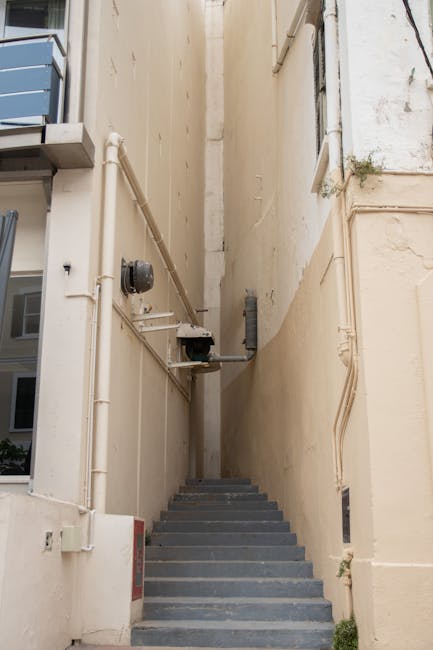
Knightsbridge is full of properties where access is not simple. Older townhouses, converted flats, portered buildings, basement entrances, shared hallways, and compact stairwells all add little complications that turn into real moving costs. The move may still be perfectly manageable, but the route from van to front door is often the part that changes the price.
That is why narrow staircases and removal fees are tied together so often. A moving team is not just carrying boxes. They are working around bends, protecting walls, lifting awkward furniture at odd angles, and taking extra care on stairs that leave no margin for error. If a chest of drawers has to be turned on its side or a bed frame must be dismantled to fit, the job takes longer. Time is labour, and labour affects the fee.
In Knightsbridge, this also overlaps with local practicalities. Parking can be tight. Access windows may be limited. Some buildings have strict move-in rules. If the route is difficult, the moving crew may need to plan differently, arrive with more people, or use a smaller vehicle and make more trips. None of that is unusual. It is just how London moves work, especially in high-value residential areas where care matters as much as speed.
Key point: the fee is rarely just for "stairs." It usually reflects the whole picture: access, item size, handling difficulty, distance from vehicle to property, and the time needed to do the job safely.
For larger or more complex jobs, a service like moving truck hire or removal truck hire may be a better fit than a basic one-person service. And if the move includes desks, IT kit, or files, office relocation services can be more suitable than a general household move.
How Narrow staircases and removal fees in Knightsbridge Works
Removal companies usually assess access in one of three ways: from your description, from photos or video, or by carrying out a pre-move survey. The more awkward the property, the more useful a proper assessment becomes. A narrow staircase can affect both the quote and the final logistics.
Here is what movers normally look at:
- Stair width and turning space - can a sofa, bed base, wardrobe, or appliance pass without damage?
- Number of flights - more stairs usually mean more labour and more fatigue.
- Landings and corners - the tricky bit is often the turn, not the straight run.
- Lift access - usable lift, small lift, or no lift at all.
- Parking and loading distance - the further the van is from the entrance, the more carrying is needed.
- Item weight and fragility - heavy or delicate items often require extra handling.
- Disassembly needs - some furniture has to be partly dismantled to move safely.
- Building rules - timed slots, porter coordination, or restrictions on lift use can slow things down.
In practice, the fee may be structured as a fixed access surcharge, an hourly labour adjustment, a minimum call-out, or a revised quote that already includes the stair difficulty. Different firms do it differently. That is normal, but it does mean you should ask exactly what is included.
A simple example: a two-person team moving a one-bed flat on a wide stairwell might finish smoothly. The same team moving the same flat from a top-floor Knightsbridge apartment with a tight stairwell, delicate banister, and no parking nearby may need more time and more care. Same postcode, different job. Quite a difference, really.
If you are moving mixed items rather than a full household, a smaller option such as man with van may be enough. For larger or heavier loads, a bigger vehicle and a more experienced team may save money overall because the job is completed in fewer trips and with less faff.
Key Benefits and Practical Advantages
It may sound odd to talk about "benefits" when stairs are the problem, but understanding the fee structure gives you real advantages. The biggest one is control. If you know what drives cost, you can plan better and reduce the chance of a last-minute charge.
Here are the main practical advantages of dealing with narrow-staircase moves properly:
- Fewer surprises on moving day - no awkward debates about access after the van has arrived.
- Better item protection - proper planning reduces the risk of chips, scratches, and wall marks.
- More realistic scheduling - tight access often needs more time than people expect.
- Lower stress - you are less likely to be improvising while carrying a sofa sideways through a hallway.
- Cleaner pricing - a well-scoped quote is usually easier to compare with others.
There is also a quieter benefit: confidence. Once you have checked access properly, the move feels less like a gamble. That matters. People often remember the moving day atmosphere more than the exact price. And if the day starts calmly, it tends to stay that way.
For homes, you may want support that includes packing as well as transport. In that case, packing and unpacking services can reduce both time pressure and handling risk. Packed boxes that are balanced, sealed, and labelled properly move faster down stairs than half-open boxes with loose contents rattling about. Small thing, big difference.
For a single bulky item, such as a dining table or sofa, furniture pick up can be more sensible than booking a full house move. That is especially true if the building access is awkward but the item itself is manageable with the right approach.
Who This Is For and When It Makes Sense
This topic matters most if you live or work in a building where access is not straightforward. In Knightsbridge, that includes a lot of people.
- Flat owners and tenants in period buildings with tight internal stairs.
- Families moving house who need a realistic removal plan for larger furniture.
- Landlords and agents arranging clear-outs, handovers, or refurbishments.
- Businesses moving desks, storage units, and equipment in restricted access premises.
- Anyone with a single heavy item that has to travel up or down multiple flights.
It makes sense to pay attention to stair-related removal fees when:
- the staircase is narrow or steep;
- large furniture cannot be split into smaller parts easily;
- there is no lift, or the lift is too small;
- parking is several doors away;
- the building requires an exact time slot;
- you want to avoid damage claims or delays.
A micro-scenario: you are moving out on a Friday morning, the porter can only give you a short lift window, and the wardrobe does not fit the turn on the second landing. That is the kind of moment where planning pays for itself. Not glamorous, but very real.
If your move is commercial rather than domestic, take a look at commercial moves as well. Office buildings and shared workspaces often have their own access rules, and stairs can affect everything from crate handling to the timing of the vehicle.
Step-by-Step Guidance
Here is a sensible way to handle a stair-heavy move in Knightsbridge without turning it into a headache.
- Measure the access carefully. Check stair width, landing depth, ceiling height, and any tight turns. Take photos from top to bottom if you can.
- List the bulky items first. Sofas, wardrobes, mattresses, beds, appliances, and large desks usually drive the plan.
- Decide what can be dismantled. Sometimes removing legs, doors, or shelving makes a huge difference. Do not assume everything must be moved whole.
- Check parking and loading distance. A short carry from van to door is very different from a long one through a shared entrance.
- Ask for a quote that mentions access. If stairs are awkward, say so clearly. That honesty helps the quote stay usable.
- Prepare the building. Let neighbours or the porter know, protect floors if needed, and reserve lift time if building rules require it.
- Pack for stair movement. Use sturdy boxes, avoid overfilling them, and keep fragile items well cushioned.
- Confirm timing the day before. A quick check saves a lot of confused phone calls on the morning.
If you want the simplest possible route, a well-organised home move booking can bundle planning, transport, and handling into one service. That tends to work well when the property layout is the real challenge rather than the number of rooms.
And if your move needs a vehicle choice that matches the access, the size of the load matters as much as the stairs. A smaller van may be easier to park, while a larger truck may reduce trips. There is no universal answer. It depends. That is the honest version.
Expert Tips for Better Results
In our experience, the easiest stair-related moves are the ones where nobody pretends the staircase is "fine" when it clearly isn't. A little realism helps.
- Send photos instead of only describing the stairs. "A bit tight" means different things to different people.
- Measure the widest and narrowest points. The narrowest point is the one that matters when a sofa is halfway round the corner.
- Keep a tool kit nearby. A screwdriver, Allen keys, tape, and a Stanley knife can save time if furniture needs to be adjusted.
- Wrap banisters and sharp corners. Small protection measures reduce stress and damage risk.
- Label awkward items clearly. Mark which side should stay up, which pieces are fragile, and which boxes should not be stacked.
- Move loose items out of the way first. Shoes, mats, plants, and side tables seem minor until they block the landing.
One practical detail people often miss: the path outside the property matters too. A narrow staircase plus a long front-path carry can be more demanding than stairs alone. So yes, the internal layout matters, but the whole journey from room to van matters as well.
If you are dealing with a mixed household or a move where timing is tight, you might also consider a service that includes the vehicle and the crew together, such as man and van. For some jobs, that is the sweet spot between flexibility and cost.
Common Mistakes to Avoid
The most expensive mistakes are usually the boring ones. Not measuring. Not mentioning the stairs. Assuming the team will "just manage." Then the job slows down and everybody is cross.
Here are the common errors that lead to awkward fees or delays:
- Understating access difficulty - if the stairwell is narrow, say so plainly.
- Forgetting about building rules - move slots, lift bookings, and delivery restrictions can be deal-breakers.
- Leaving packing until the last minute - loose packing creates more handling time and more risk.
- Not checking if furniture can be dismantled - a few minutes with the right tools can save a lot of lifting.
- Choosing a vehicle that is too large for the street - parking problems can quickly become cost problems.
- Comparing quotes without checking access assumptions - one quote may include stairs, another may not.
Truth be told, a lot of moving frustration comes from gaps in information, not from the move itself. If you have ever watched a sofa pause halfway on a landing while three adults reconsider life choices, you will know exactly what I mean.
Another common mistake is ignoring disposal needs. If you are replacing old pieces rather than moving everything, a separate furniture pick up arrangement can be cleaner than trying to cram unwanted items into the main move. Simpler, tidier, less chaos at the door.
Tools, Resources and Recommendations
You do not need fancy equipment to manage a stair-heavy move well, but a few practical tools make a big difference.
- Measuring tape - for stair width, hallway clearance, and furniture dimensions.
- Photos and short videos - useful for getting an accurate quote without guesswork.
- Furniture blankets and wraps - protect banisters, doors, and item surfaces.
- Basic tools - for dismantling beds, tables, shelves, and modular furniture.
- Boxes of similar size - easier to carry on stairs and stack in the van.
- Labels and marker pens - especially helpful when items are carried in several trips.
From a service perspective, it often helps to match the job to the vehicle and crew size. For compact loads, a small team and a lighter vehicle may be enough. For larger residential or commercial moves, a stronger transport setup can reduce the number of trips and the time spent wrestling with awkward items.
Useful pages to explore if you are planning the wider move include office relocation services for work premises, packing and unpacking services for full support, and removal truck hire if your load needs more capacity.
For company information or to understand how the service is presented, you can also review the about us page. If you are ready to talk through a difficult staircase, the contact us page is the natural next step.
Law, Compliance, Standards, or Best Practice
This topic does not usually involve heavy legal complexity, but there are still a few common-sense standards and practical duties worth respecting. In London, property access, parking, and building rules can shape the move just as much as the item list does. Good movers plan around those realities rather than hoping they will sort themselves out.
Best practice usually includes the following:
- Honest access disclosure - let the mover know about narrow stairs, no lift access, and tight turns.
- Property care - protect floors, doors, and shared areas where appropriate.
- Safe lifting - awkward stairs increase the need for controlled handling, not rushed carrying.
- Clear timing - building rules and parking restrictions should be factored in before the van arrives.
- Fair scope agreement - quote terms should explain what is covered and what may change the price.
If you are moving from a managed building, check any move booking requirements early. Many issues that look like "removal fees" are really access or timing costs. Not glamorous, but that is the reality.
Also, check the provider's terms and conditions and privacy policy if you are sharing photos, addresses, or building details. It is a small step, but it helps you understand how your information is handled and what expectations apply.
Options, Methods, or Comparison Table
Choosing the right service is often about balancing access difficulty, item size, and how much help you want. Here is a simple comparison to make the decision easier.
| Option | Best for | Pros | Limitations |
|---|---|---|---|
| Man and van | Small to medium moves, flexible jobs | Good for quick access, often cost-effective | May not suit larger loads or very awkward stairs |
| House removalists | Full home moves, multiple large items | More support, better for complex access | Can be more than you need for a small job |
| Moving truck hire | Heavier or bulkier loads | Capacity for larger moves and fewer trips | Parking and access planning becomes more important |
| Packing and unpacking service | Busy households, fragile items, time-sensitive moves | Reduces handling stress and speeds up loading | Adds to overall service cost |
A good rule of thumb: if the staircase is the main obstacle, pay closer attention to labour and handling. If the staircase is only one of several issues, look at the whole move package rather than hunting for the cheapest single line item. Cheap can become expensive rather quickly when the crew has to improvise.
Case Study or Real-World Example
Here is a realistic example based on the kind of move people in Knightsbridge often face.
A client is moving from a second-floor flat in a period building. The staircase is narrow, the landing is tight, and the main sofa has a fixed frame that cannot be removed. The front entrance is shared, parking is limited, and the move needs to happen in a short midday window. On paper, it sounds simple: a few rooms, a few pieces of furniture, no major appliances.
In practice, the team would need to:
- measure the sofa against the landing and stair turns;
- confirm whether the sofa can be wrapped and rotated safely;
- check whether a second mover would help reduce handling risk;
- decide if items should be dismantled before the move;
- plan the van parking position to shorten the carry.
The likely outcome is not a dramatic emergency. It is just a more careful move with more time built in. That extra time is what often shows up as a stair-related removal fee.
Now compare that with a small studio move, where boxes are standard size, furniture is lightweight, and access photos show a manageable staircase. In that case, a man with van booking may be entirely appropriate. Same area, same broad need, different access profile.
The lesson is simple enough: the move is not expensive because of the postcode alone. It becomes more expensive when the access requires slower, safer, more careful work. Makes sense when you say it out loud.
Practical Checklist
Use this checklist before you confirm a move involving narrow stairs in Knightsbridge.
- Measure the staircase width and landings.
- Take photos of the access route from street to room.
- List all bulky and fragile items separately.
- Check whether furniture can be dismantled.
- Confirm lift availability and any booking rules.
- Check parking restrictions and walking distance from van to entrance.
- Ask whether the quote includes stair handling or access surcharges.
- Pack items in sturdy, easy-to-carry boxes.
- Protect shared areas where needed.
- Confirm time windows with the mover and the building manager.
Quick summary: if the stairs are narrow, speak up early, share photos, and plan for a slightly slower move. That one habit can save money, reduce damage, and take a surprising amount of stress out of the day.
Get a free quote today and see how much you can save.
Conclusion
Narrow staircases and removal fees in Knightsbridge are really about access, time, and care. Once you understand that, the pricing becomes much less mysterious. The staircase itself is only part of the story; the full story includes the route, the furniture, the building rules, the parking, and the number of hands needed to do the job safely.
If you plan ahead, share the tricky details early, and choose a service that matches the real access conditions, you are far more likely to get a smooth move and a fair price. And let's face it, that is what most people want: no drama, no damage, no surprise bill at the end.
For most moves, the best result is not the cheapest quote on day one. It is the one that fits the building, the timetable, and the people carrying your things. That is the calm way through it, and in Knightsbridge, calm is worth a lot.
Sometimes the smartest move is simply the one that feels prepared before the first box is lifted.
Frequently Asked Questions
Do narrow staircases always mean higher removal fees?
Not always, but they often do. A narrow staircase can mean slower handling, more labour, and extra care, which may increase the price. Some companies build this into the quote, while others add a surcharge if access is harder than expected.
How do removal companies assess stair access in Knightsbridge?
They usually look at photos, measurements, videos, or a site survey. The key details are stair width, turns, landings, lift access, and how far the van must park from the entrance. The more accurate the information, the more reliable the quote.
Should I mention narrow stairs before asking for a quote?
Yes. It is one of the most important details you can share. If you leave it out, the quote may not reflect the real job, and that can lead to delays or price changes on moving day.
Can furniture be moved down very narrow stairs safely?
Often yes, but it depends on the item and the staircase. Some furniture can be dismantled, wrapped, or angled carefully. In other cases, a different route, a smaller item, or a specialist approach may be needed.
Is a man and van service enough for a stair-heavy move?
Sometimes. A small move with a few boxes and lighter furniture may work well with a man and van service. If the property access is very tight or the furniture is bulky, you may need more help.
What should I do if the staircase is too small for my sofa?
Measure it properly first, then ask whether it can be dismantled or moved another way. If not, you may need to consider alternative transport, storage, or replacing the item. It is better to know early than discover it halfway through the hallway.
Do office moves face the same access problems?
Yes, and sometimes more so. Shared entrances, protected floors, lift booking windows, and tight staircases can all affect commercial moves. For work premises, commercial moves and office relocation services are usually the better starting point.
How can I reduce removal fees for a narrow staircase move?
Pack well, dismantle furniture where possible, send photos in advance, and make parking and lift arrangements early. Choosing the right vehicle size also helps. A move that is organised before the team arrives is usually cheaper than one that needs improvisation.
Will I be charged more if the van cannot park right outside?
Possibly. Longer carry distances take more time and effort, so they can affect the price. This is especially relevant in Knightsbridge, where parking can be tight and loading space may be limited.
Are packing services worth it for awkward staircases?
They often are. Well-packed boxes are easier to stack, carry, and protect on stairs. If you have fragile items or a lot of rooms to clear, packing and unpacking services can make the move smoother and less tiring.
What kind of quote should I ask for?
Ask for a quote that clearly mentions access conditions, item list, stair difficulty, and any likely extras. A good quote should help you understand what is included and what might change if the move turns out to be harder than expected.
Where can I get help if I am unsure which moving service to choose?
If the move is a standard home relocation, start with home moves or house removalists. If you are moving one or two items, look at a smaller service. If you are still unsure, the contact us page is the most direct way to discuss your access and get pointed in the right direction.