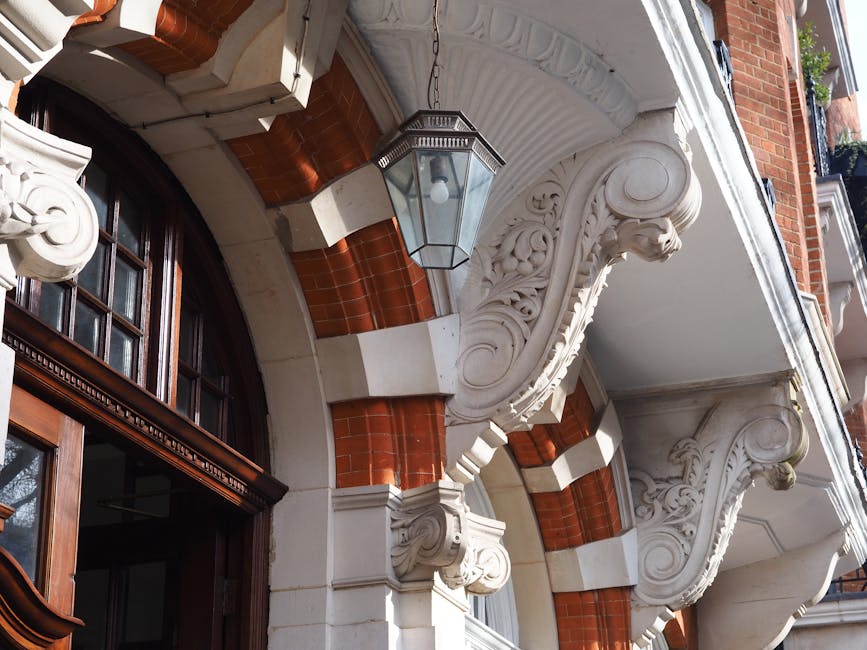
Protecting period features during Knightsbridge house moves
Moving in Knightsbridge is never just about boxes and furniture. If your home has cornices, sash windows, marble fireplaces, ceiling roses, panelled doors, or other original details, the move becomes a little more delicate. Protecting period features during Knightsbridge house moves means planning for the old fabric of the property as carefully as you plan for the new address. Truth be told, the smallest scrape on a stair spindel or a knock to an ornate architrave can feel bigger than a dent in a sofa.
This guide walks through how to safeguard heritage details during a home move, what the risks really are, and which methods make the most sense in a busy, high-value London setting. You will also find a practical checklist, a comparison of moving approaches, and a realistic example of how a well-managed move can go. If you are considering help with the move itself, services such as home moves, house removalists, and packing and unpacking services can be part of a sensible plan, especially when the property has features worth preserving.
Table of Contents
- Why protecting period features matters
- How the protection process works
- Key benefits and practical advantages
- Who this is for and when it makes sense
- Step-by-step guidance
- Expert tips for better results
- Common mistakes to avoid
- Tools, resources and recommendations
- Law, compliance, standards and best practice
- Options, methods and comparison
- Case study or real-world example
- Practical checklist
- Conclusion
- Frequently asked questions
Why protecting period features during Knightsbridge house moves matters
Period properties in Knightsbridge often have a very specific character. They are rarely plain or forgiving. Surfaces can be softer, detailing can be more fragile, and many original elements were built long before modern moving equipment became standard. That means a normal "careful move" is not always careful enough.
The risk is not only visible damage. A heavy wardrobe brushing a hallway, a poorly wrapped mirror leaning on a plaster wall, or a rushed turn on a narrow staircase can cause hairline cracks, chipped wood, or loosening around decorative edges. Once that happens, repair can be expensive, slow, and in some cases difficult to match perfectly. Let's face it, nobody wants to explain to a surveyor why a plaster rose has suddenly developed a new personality.
In Knightsbridge, there is also a practical reality: many homes have tight access, shared entrances, concierge rules, basement levels, or awkward first-floor turns. The more historic the property, the more important it becomes to manage movement, packing, and lifting with discipline. Protecting period features is not just about aesthetics. It protects value, reduces stress, and helps the move feel controlled rather than chaotic.
Key takeaway: if the property has original joinery, decorative plaster, timber panelling, tiled fireplaces, or antique ironmongery, the move should be planned around the building's fragility, not the other way around.
How protecting period features during Knightsbridge house moves works
The process is really a chain of small decisions. Good outcomes usually come from preparation before moving day, not from rushing around with extra bubble wrap at the last minute. The idea is simple: identify vulnerable features, reduce contact points, control movement, and use the right packing methods for each item.
It starts with a proper walkthrough. Someone should look at the property room by room and note anything that needs special attention: staircase newels, dado rails, archways, fireplaces, original cupboards, decorative ceiling mouldings, and window shutters. Then the move plan can be built around those hazards. For example, if a hallway is tight, large furniture may need to be dismantled before it ever reaches the stairs.
From there, the team chooses protective materials and route strategies. That might include corner guards, padded wraps, felted blankets, floor runners, and temporary shields around vulnerable edges. If the move involves larger or heavier pieces, a vehicle from a service like removal truck hire or a suitable moving truck can help keep loading efficient and reduce repeated handling.
The last piece is sequencing. In a period home, sequence matters more than people think. The safest move is often the one where each item has a fixed route, the stairway is clear, the door catch is protected, and no one is carrying a sofa while trying to "just squeeze past" a decorative frame. That's where accidents happen. Usually fast. Usually with a sickening little thud.
Key benefits and practical advantages
There are several direct advantages to handling period features carefully during a move, and they go beyond preventing obvious damage.
- Lower repair risk: less chance of chipping plaster, scuffing timber, or cracking fragile detailing.
- Better value preservation: original features often contribute to a home's appeal and marketability.
- Smoother move day: clear planning reduces hesitation, bottlenecks, and last-minute lifting problems.
- Less emotional strain: moving is stressful enough without worrying about a cherished fireplace surround or ceiling moulding.
- Cleaner handover: if you are leaving a rental or selling, keeping the home intact helps avoid awkward conversations later.
- More efficient unpacking: items packed with care are usually easier to place and inspect at the new property.
There is another advantage that tends to be overlooked: confidence. When everyone involved knows the route, the wrapping method, and the "do not touch" areas, the whole day feels calmer. You can hear the difference. Fewer rushed instructions, fewer near misses, less of that horrible dragging sound on old floorboards.
For many households, the best result comes from combining professional packing with the right moving support. A well-matched man and van or man with van service can work for smaller moves, while larger or more complex homes may need a broader removals setup.
Who this is for and when it makes sense
This approach is for anyone moving from or into a home where the original fabric matters. That includes owners of Georgian, Victorian, Edwardian, and interwar properties, but also more recent homes with handcrafted finishes or bespoke joinery that can be just as vulnerable.
It makes particular sense if you are dealing with any of the following:
- ornate plaster ceilings or ceiling roses
- sash windows and shutters
- marble, stone, or cast-iron fireplaces
- original staircases with curved handrails or decorative balusters
- panelled walls, dado rails, or picture rails
- antique built-in cupboards or timber architraves
- narrow entrances and awkward internal routes
- high-value interiors where even small marks are a problem
It is also sensible when the move is happening during a busy period, because moving day pressure makes people careless. Morning light hitting dusty skirting boards, a hallway full of stacked boxes, a door wedged open with something soft and wrong... it all adds up. If you know the property will be difficult, plan as though every corner is trying to catch you out.
For commercial or mixed-use properties with heritage detail, the same principles apply. In some cases, a move may overlap with a workspace or a lived-in home, and services such as commercial moves and office relocation services become relevant if parts of the property are being cleared alongside the household contents.
Step-by-step guidance
If you want to protect period features properly, the move should feel methodical. Not slow for the sake of it, just controlled. Here is a practical order of work that tends to hold up well.
1. Survey the property before packing begins
Walk through each room and note the fragile elements. Look up as well as down. People often miss ceiling cornices, chandelier points, and over-door plasterwork. Take quick photos so the moving team can see what was present before the move. That is useful if you ever need to compare before and after.
2. Measure routes, not just furniture
Measure door widths, stair turns, hallway pinch points, and any low clearances. A grand cabinet may technically fit through a doorway but still be a nightmare on a turn. Sometimes the safe answer is dismantling, not forcing. To be fair, the old house usually wins if you try to out-muscle it.
3. Decide what must be dismantled
Large wardrobes, tables, bed frames, shelving, and some mirrors should be taken apart where possible. This reduces the risk of knocks against decorative walls and makes carrying safer. Keep fixings in labelled bags and tape them to the relevant item or store them in one clearly marked box.
4. Protect the property before items start moving
Put down floor protection in key routes, especially on stone, polished timber, or older floorboards that can mark easily. Use padded protection around door frames, banisters, and corners. If the property has especially fine plaster, temporary shielding can help reduce accidental contact from bags, hands, and moving blankets.
5. Wrap items according to fragility
Glass, porcelain, antique lamps, and framed art need more than a loose blanket. Use layered wrapping, rigid support where appropriate, and clear labelling. Avoid overpacking boxes too. Heavy boxes are the enemy on stairs, and stairs are rarely forgiving. Not even a little.
6. Control the loading sequence
Plan the order in which items leave the property. Put easier items out first or last depending on the route, and keep the main passage clear. A single crowded landing can become a problem very quickly, especially in older Knightsbridge properties where space feels measured in inches rather than feet.
7. Check the property room by room at the end
Do a proper final sweep. Inspect the staircase, skirting, door surrounds, and fireplace areas. Check for loose fixings or fresh marks while the memory is still fresh. A quick walkthrough at the end is one of those unglamorous steps that saves arguments later.
Expert tips for better results
Here are the details that often make the biggest difference. They are not flashy, but they work.
- Use more protection than you think you need: old properties punish optimism.
- Assign one person to watch the walls and corners: it stops everyone assuming someone else is checking.
- Keep a "do not place here" zone in each room: that means no boxes on delicate hearths, window ledges, or period cupboards.
- Separate antique or original items from modern replacements: they often need different packing treatment.
- Move in daylight where possible: natural light makes chips, scratches, and dust easier to spot.
- Take a pause before difficult lifts: a 20-second reset can prevent a very expensive mistake.
One small but useful habit is to keep a "first in, last out" box for screws, keys, touch-up notes, and any original hardware that belongs to the property. You will thank yourself later, probably while standing in a half-empty room wondering where the screws for a shutter latch went. It happens.
If you expect the move to be physically demanding, a coordinated setup with the right vehicle matters too. For some households, a smaller load can suit furniture pick up or a straightforward van-based move; for others, a larger vehicle is the better call from the start.
Common mistakes to avoid
Most damage during a move is not caused by one huge error. It is usually the result of several small ones stacking up. Here are the ones worth watching closely.
- Assuming every old feature is fragile in the same way: plaster, timber, stone, and metal each need different handling.
- Wrapping too late: if the packing starts after furniture is already blocking the hallway, people rush.
- Forcing oversized furniture through original openings: the door frame will usually lose that argument.
- Ignoring floor protection: one bad scrape on historic timber is hard to forgive.
- Using unlabelled fixings and fittings: reassembly then becomes guesswork.
- Letting too many people carry at once: crowded movement creates collisions and confusion.
- Skipping the final inspection: tiny marks get missed, then become awkward later.
Another common one? Treating decorative features as if they are just "part of the wall". Original detail often needs the same care as the best furniture in the house. Sometimes more. A chipped cornice is not just a cosmetic issue; it can be a reminder of a rushed move every time you walk past it.
Tools, resources and recommendations
You do not need specialist kit for every move, but the right tools make a noticeable difference. The aim is not to overcomplicate things. It is to reduce contact, movement, and uncertainty.
| Tool or material | What it helps with | Best used for |
|---|---|---|
| Furniture blankets | Padding against scrapes and knocks | Large timber furniture, door frames, banisters |
| Corner guards | Protecting exposed edges | Hall corners, walls, fireplace edges |
| Floor runners | Reducing dirt and scuff marks | Timber floors, stone, long routes |
| Strong boxes with labels | Safer handling and quicker unpacking | Books, ornaments, hardware, smaller valuables |
| Disassembly tools | Making furniture easier to move | Bed frames, shelving, wardrobes |
| Mattress bags and covers | Keeping bulky items clean | Bedrooms, narrow staircases, shared lobbies |
For many people, the most useful resource is not a gadget at all. It is a sensible service mix. If you need help with loading, lifting, and moving the van efficiently, man and van or man with van options can suit smaller properties. If the property needs wider logistical support and heavier transport, a more substantial removal truck hire arrangement may fit better.
And if your move is complicated by a busy schedule or an overlap between packing and settling in, packing and unpacking services can take pressure off the delicate parts of the process.
Law, compliance, standards and best practice
For most household moves, there is no single special legal rule just for period features. Still, there are practical duties and normal standards that matter. Moving teams should work safely, respect the property, and avoid causing preventable damage. In London, access rules, parking, building management instructions, and local restrictions can also shape the move day in a very real way.
If the home is leasehold, in a managed building, or within a conservation-minded setting, you may need to follow building instructions for loading bays, lifts, floor protection, noise, and timings. These are often set by the building manager or landlord rather than by the removal team, so it is worth checking early. It sounds obvious, but you would be surprised how often that part gets left to the last minute.
Best practice usually includes:
- careful pre-move inspection of fragile architectural details
- appropriate lifting techniques and enough staff for heavy items
- clear labelling of fragile and priority items
- property protection on floors, doors, and corners
- honest discussion of access issues before move day
- insurance awareness, including what is and is not covered
If you are unsure about terms, cover, or service boundaries, it is sensible to review the provider's terms and conditions and privacy policy before committing. That is not just box-ticking; it helps everyone understand responsibilities clearly.
Options, methods and comparison
Different homes need different moving approaches. The right choice depends on access, volume, fragility, and how much hands-on help you want. Here is a straightforward comparison.
| Method | Best for | Strengths | Watch-outs |
|---|---|---|---|
| Man and van | Smaller loads, simple access, flexible timing | Quick, often economical, adaptable | May not suit very large or highly delicate moves without extra planning |
| Full house removals | Large homes, multiple rooms, heavy furniture | More capacity, more coordinated handling | Needs tighter scheduling and route planning |
| Removal truck hire | Substantial contents or bulky items | Good load space, fewer trips | Access and parking need more attention |
| Packing and unpacking support | Fragile contents, time pressure, busy households | Better protection and less stress | Still needs a clear inventory and room plan |
There is no one perfect option. A smaller flat with a few original features may work beautifully with a flexible van-based move. A larger townhouse with ornate staircases and substantial furniture may need a full removals approach plus packing help. The real question is: what reduces handling without making the day awkward?
Case study or real-world example
Imagine a Knightsbridge townhouse with a narrow entrance hall, a curved staircase, timber panelling, and a marble fireplace in the front reception room. The owners are moving out and want to keep the property in excellent condition for a sale viewings period. Nothing dramatic. Just a highly awkward mix of expensive surfaces and tight angles.
The move starts with a survey of the rooms. The team notices that a large bookshelf will not safely make the turn on the first landing without dismantling. The fireplace surround is wrapped, the stair rails are padded, and floor protection is laid from the entrance to the main lift-out point. Boxes of books are split into smaller loads so they are not too heavy on the stairs. The mirrors are packed separately, with clear "fragile" labels and upright positioning only.
On the day, the loading route is kept clear. One person watches the walls and corners, while another checks that the internal doors are held open without hitting the plaster surrounds. A few tiny scuffs are noted and cleaned straight away. That may sound small, but it matters. By the end of the move, the period features are intact, the furniture is out, and the owners are not left with a repair list that ruins the week.
Expert summary: the safest period-property move is usually the one where furniture is handled less, routes are planned better, and protection is placed before the first box moves. Simple, but not easy if you skip the prep.
Practical checklist
Use this as a quick pre-move check. It is not fancy, but it keeps you honest.
- Walk through every room and note original features
- Measure stair turns, corridors, and doorways
- Decide which furniture needs dismantling
- Prepare floor, corner, and door-frame protection
- Pack fragile items separately and label them clearly
- Keep original hardware in labelled bags
- Confirm access instructions and parking arrangements
- Assign someone to supervise the most delicate route
- Inspect the property again before leaving
- Keep a note of any minor marks or issues immediately
If you are still at the planning stage, a quick chat with a removals team can help you decide whether the move suits a smaller setup or a more structured service. You can also learn more about the company background via about us or make direct arrangements through contact us when you are ready.
Get a free quote today and see how much you can save.
Conclusion
Protecting period features during Knightsbridge house moves is really about respecting the property as much as the possessions inside it. Original plaster, timber, stone, and ironwork can survive for generations, but only if the move day does not treat them like generic surfaces. A little extra time spent planning, measuring, wrapping, and supervising goes a long way.
If you keep the routes clear, use the right protection, and choose a service level that matches the scale of the move, you give yourself the best chance of a calm result. And calm matters. Especially in a house that already has enough history in its walls without adding new marks of its own.
Move carefully, keep your eye on the details, and trust the process. The house will feel better for it, and so will you.
Frequently Asked Questions
What are period features in a Knightsbridge house move?
Period features are original or traditionally styled elements such as cornices, sash windows, fireplaces, panelled doors, stairs, and decorative plasterwork. They often need more careful handling than modern finishes.
Why do period features get damaged during house moves?
Damage usually happens because of tight access, heavy furniture, rushed lifting, and repeated contact with corners or narrow staircases. In older homes, even one small mistake can leave a visible mark.
Should I dismantle furniture before moving through a period property?
Usually yes, if it makes the route safer. Large or awkward pieces are often less risky when taken apart first, especially if there are delicate walls, rails, or turns in the staircase.
How do I protect original plasterwork during a move?
Use padding around vulnerable edges, keep routes clear, and avoid carrying large items close to walls. A careful pre-move survey also helps identify the most fragile spots before anything is moved.
Is a man and van service enough for a period home move?
It can be, if the load is small and access is manageable. For larger homes or very fragile interiors, a more structured removals service may be a better fit.
Do I need professional packing for antiques and fragile items?
It is often a sensible choice. Professional packing can reduce the risk of cracking, chipping, or pressure damage, particularly for antiques, mirrors, art, and delicate decorative pieces.
How early should I plan a move in a Knightsbridge period property?
As early as possible. Early planning gives you time to measure access, arrange protection, and sort out any building or parking requirements without a last-minute rush.
What is the biggest mistake people make with period homes on moving day?
The biggest mistake is usually underestimating how tight the spaces are. People assume a large item will "just fit", and that is often where damage starts.
Do I need to check building rules before moving out of a period property?
Yes, especially if the property is in a managed building or leasehold setting. Access times, lift use, loading bay rules, and floor protection requirements may all apply.
How can I tell if my move needs extra protection measures?
If you have narrow stairs, original plaster, high-value furniture, or complex access, extra protection is usually wise. When in doubt, plan for more care rather than less.
Can I combine moving and storage if I am protecting period features?
Yes, sometimes that is the safest route. Storing items temporarily can reduce pressure on move day and help avoid crowding in already delicate rooms or hallways.
What should I do if I notice a small mark after the move?
Note it immediately, take a clear photo, and assess whether it is superficial or needs repair. Small marks are easier to address when they are caught early, before everyone has unpacked and moved on.